A High Line or a Deeper Block: Two Ways to Manage Space
A high line or a deeper block changes where opponents can receive the ball. Learn what each shape protects and what to watch as play unfolds.
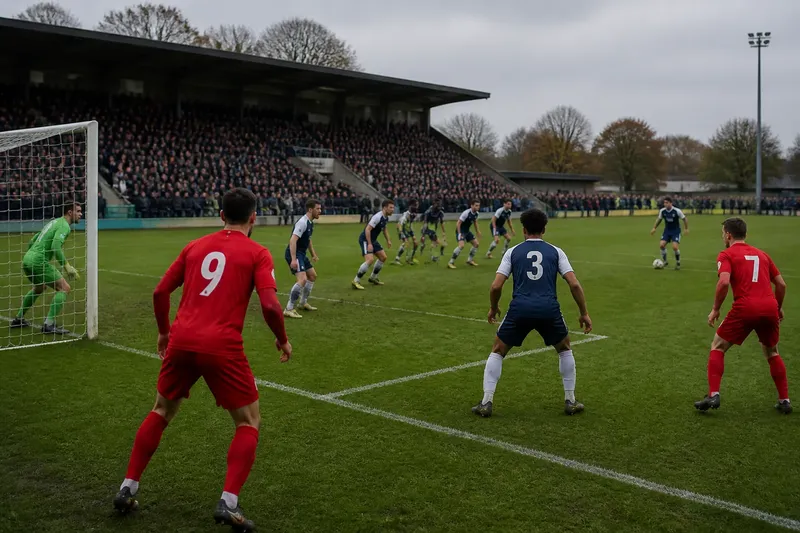
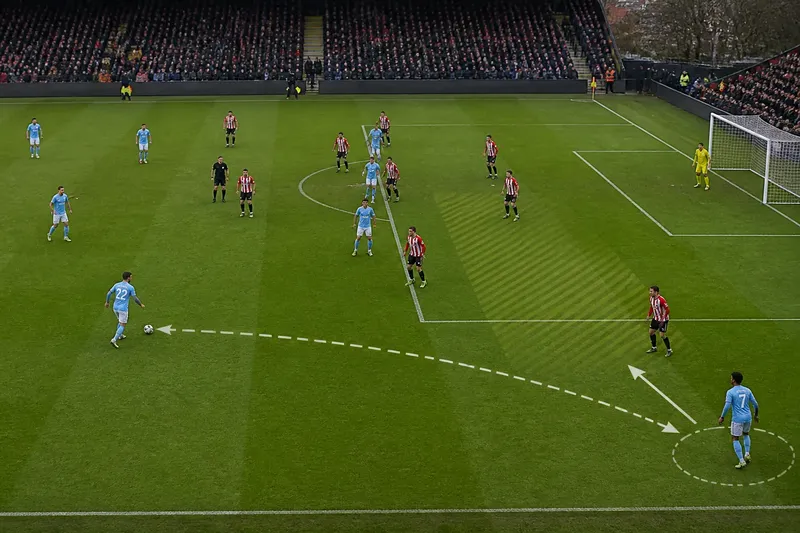
A high line or a deeper block changes where opponents can receive the ball. The choice depends on which spaces a team can defend with its players and coordination: push up, and the space behind grows; retreat, and the space in front opens.
For a match preview, treat defensive height as a plan that can change during the game, not a permanent team identity. Track the cues that sustain it, then watch for the moment those cues disappear. That is often when a sensible shape starts to look like a gamble.
A high line compresses the pitch and exposes the channel behind
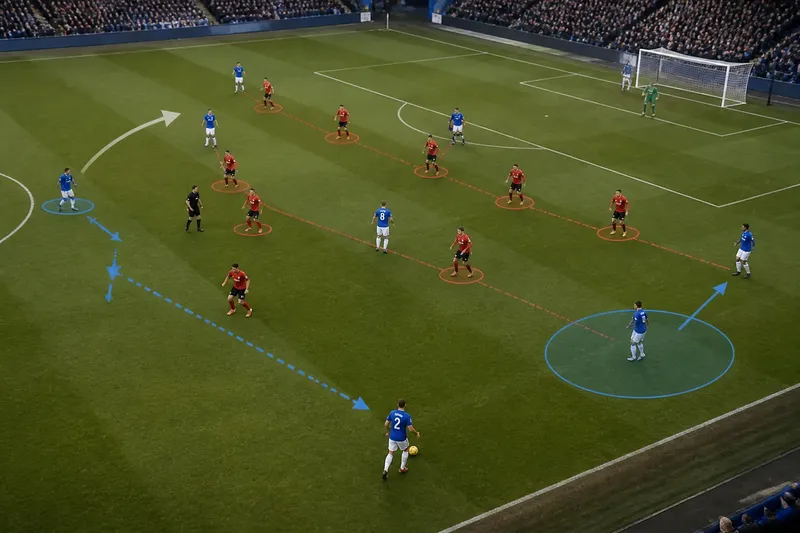
When defenders hold high, they shorten the distance between the back line and midfield. Opponents have less room to receive between those units, and the pressing team can contest loose passes closer to goal. The center can feel crowded, forcing hurried decisions.
The trade is space behind the defenders. A forward who starts onside can attack that channel if the passer has time to look up. A goalkeeper positioned to sweep may help cover it, but only if the defenders and keeper read the same moment. One player stepping late can leave the line divided.
Watch the first pass after possession changes. If the opponent can play forward immediately, the high line may be running toward its own goal before the press recovers. If the ball carrier is closed down and forced sideways, the line has more time to move together.
A deeper block protects the back of the defense and concedes room ahead
A deeper block keeps defenders closer to their own penalty area. It reduces the distance an attacker can run into behind them and can make direct balls easier to contest. For a side under sustained pressure, that compactness can keep the most dangerous space crowded.
The cost is room in front of the block. Opponents may settle on the ball outside the area, circulate possession and look for a pass between midfield and defense. Repeated deliveries can pull defenders out of position or create second-ball chances.
Notice whether the midfield line steps out together. If one midfielder presses while the others stay deep, an opponent can play through the gap. If the unit moves as one, it may steer play wide or make the opponent recycle possession. The block is not passive by definition; its pressure simply begins farther back.
The right height depends on who can support it
A team’s preferred line only works when its roles fit the choice. A high line asks the nearest attackers to pressure the ball and defenders to move up promptly. It also asks the goalkeeper to read balls over the top. A deeper block asks midfielders to screen passes into the pocket and defenders to hold their spacing as the ball moves across the field.
Personnel can change the calculation. A defense with pace across the back may be more comfortable recovering into open ground, while a team whose center backs prefer to defend facing play may benefit from protecting the area behind them. Neither trait settles the question alone. The opponent’s forward passing and the reliability of the press matter too.
Say a team begins with its back line near halfway, but its front players stop closing down the opposing center backs. The defenders now have to hold a high position without pressure on the passer. A likely adjustment is to retreat or send a midfielder forward to restore pressure. Watch which response appears first, and whether the team moves as a unit.
What does each block leave exposed?
What does a high defensive line try to take away?
It reduces room between the opponent’s forwards and midfield, making it harder to receive and turn there. The space behind the defenders becomes the main area to monitor.
Why might a team retreat into a deeper block?
It can protect against runs in behind and keep more defenders near the goal. The opponent may then have time to work the ball in front of the block.
What suggests that a high line is losing its protection?
Look for an unpressured passer, defenders retreating at different speeds, or forwards repeatedly starting runs beyond the line. Any one may be manageable; together they point to a growing problem.
Can a team change its defensive height during a match?
Yes. A side can press high in selected moments and fall back when the opponent beats the first pressure. The useful question is whether the shift is coordinated, not simply whether the line has moved.
Follow the adjustment, not just the starting shape
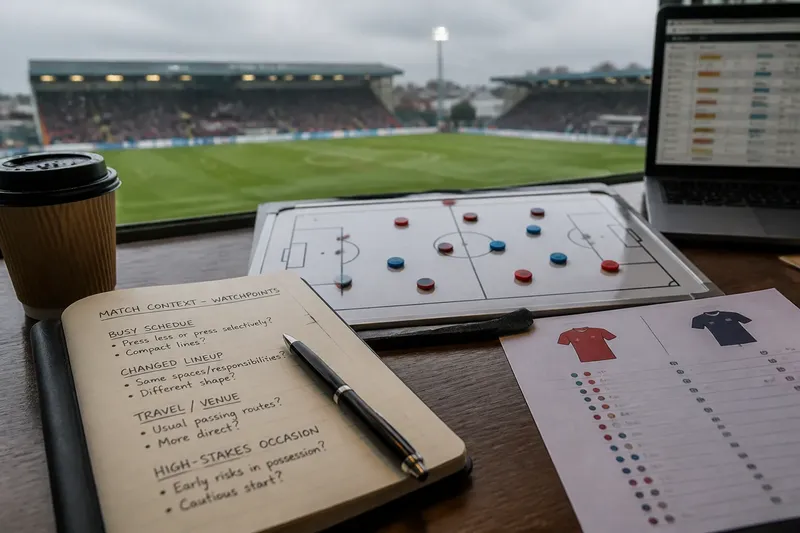
Keep a simple matchday note: where the back line starts, what triggers pressure, and what the team does after a pass gets beyond its first line. Revisit those observations after a substitution or a change in score. A fresh forward may restore pressure; a tired midfield may leave a deeper block sitting too close to its defenders.
When the high line is working, expect the opponent to struggle for clean forward passes and circulate under pressure. When it is being exposed, watch for early balls into the channel or defenders turning to chase. When a deeper block is settled, expect the central route to look crowded; when it is stretched, look for a receiver between its lines or a loose ball near the edge of the area.
It is not worth assigning a team a permanent label after one spell. A line can rise for a goal kick, drop after possession is lost and settle somewhere between those extremes. The useful distinction is what the team is trying to protect at that moment.
In a preview, describe the likely trade plainly: which space the side will leave, and which players must manage the consequence. Then, as the game unfolds, check whether pressure, midfield support and the defensive line still agree. That is a sharper read than calling one approach bold and the other cautious.